
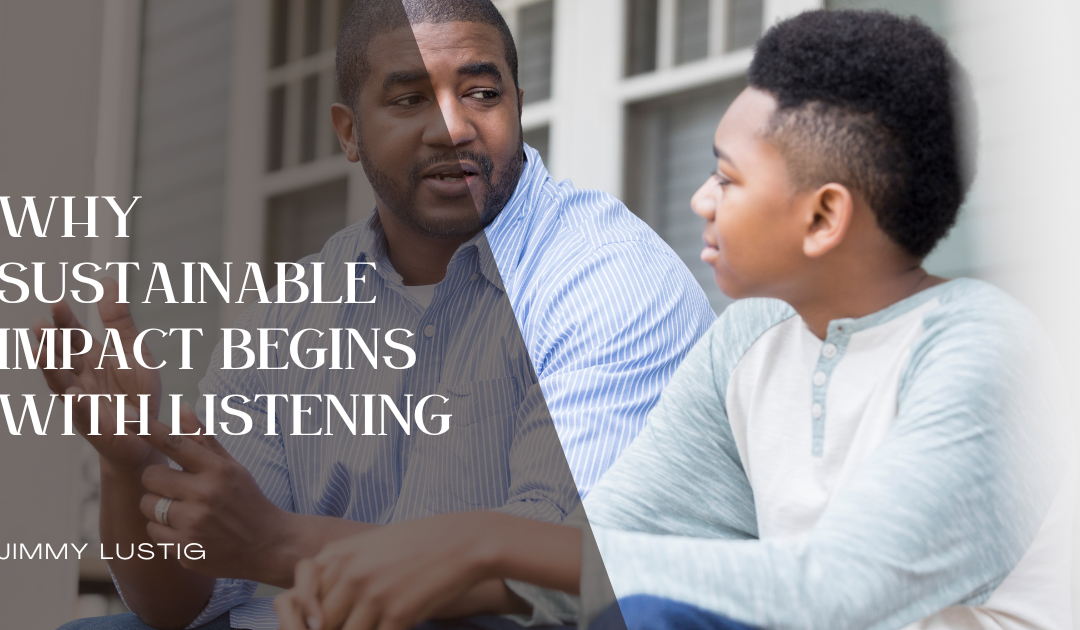
Every meaningful change starts with a simple but often overlooked action—listening. Whether the goal is to strengthen a community, improve education, support underserved populations, or address social challenges, lasting impact cannot be achieved by making assumptions about what people need. It begins by understanding their experiences, aspirations, and perspectives.
Too often, organizations and individuals focus on delivering solutions before taking the time to hear the voices of those they hope to serve. While good intentions are important, sustainable impact is created when listening comes before action. It ensures that efforts are relevant, respectful, and capable of producing meaningful, long-term results.
Understanding Before Acting
Communities are not defined solely by their challenges; they are rich with knowledge, resilience, and lived experience. The people closest to an issue often have the clearest understanding of its root causes and the most practical ideas for addressing it.
When organizations begin by listening, they gain valuable insights that cannot be found in reports or statistics alone. Conversations with community members reveal priorities, cultural values, existing strengths, and barriers that may otherwise go unnoticed.
By understanding these realities first, organizations can develop initiatives that respond to genuine needs rather than perceived ones.
Listening Builds Trust
Trust is the foundation of every successful community initiative. Without it, even well-funded programs can struggle to achieve meaningful outcomes.
Listening demonstrates respect. It communicates that every voice matters and that people are valued as active participants rather than passive recipients of support. When individuals feel heard, they are more likely to engage, collaborate, and contribute to shared goals.
Strong relationships built on trust encourage open communication, making it easier to identify challenges, adapt strategies, and sustain progress over time.
Collaboration Creates Better Solutions
Sustainable impact is rarely the result of one organization working alone. It grows through partnerships that combine diverse perspectives, skills, and resources.
Listening creates opportunities for collaboration by inviting communities, educators, volunteers, local leaders, and stakeholders into the decision-making process. Instead of designing solutions in isolation, organizations can co-create initiatives that reflect the priorities and aspirations of the people they serve.
This collaborative approach leads to stronger outcomes because solutions are shaped by real experiences rather than assumptions.
Listening Encourages Long-Term Change
Quick fixes may provide temporary relief, but lasting change requires a deeper understanding of the systems and circumstances that influence a community.
When organizations consistently listen to feedback, they remain responsive as needs evolve. Programs can be refined, expanded, or adjusted based on real-world experiences rather than rigid plans.
This willingness to learn and adapt ensures that initiatives remain effective over time instead of becoming outdated or disconnected from the people they aim to support.
Sustainability is not achieved through one successful project—it is built through continuous learning and meaningful dialogue.
Every Voice Has Value
Effective listening extends beyond formal meetings and surveys. It happens during everyday conversations, community gatherings, classroom discussions, and volunteer activities. It requires creating spaces where people feel comfortable sharing their experiences, ideas, and concerns without fear of being overlooked.
Some of the most transformative ideas come from voices that are rarely heard. By actively seeking diverse perspectives, organizations can uncover opportunities for innovation, strengthen inclusion, and create solutions that benefit a broader range of people.
When every voice is respected, communities become stronger and more connected.
Conclusion
Creating sustainable impact is about more than delivering services or launching programs. It is about building relationships, understanding real needs, and working alongside communities to create meaningful change.
Listening is not a passive activity—it is a strategic and compassionate practice that shapes better decisions, stronger partnerships, and more effective solutions. It transforms people from beneficiaries into collaborators and ensures that initiatives are rooted in genuine understanding rather than assumptions.
The most successful organizations recognize that lasting change does not begin with having all the answers. It begins with asking thoughtful questions, listening with intention, and allowing those conversations to guide meaningful action. Because when people feel heard, they become empowered to shape a better future for themselves and their communities.