
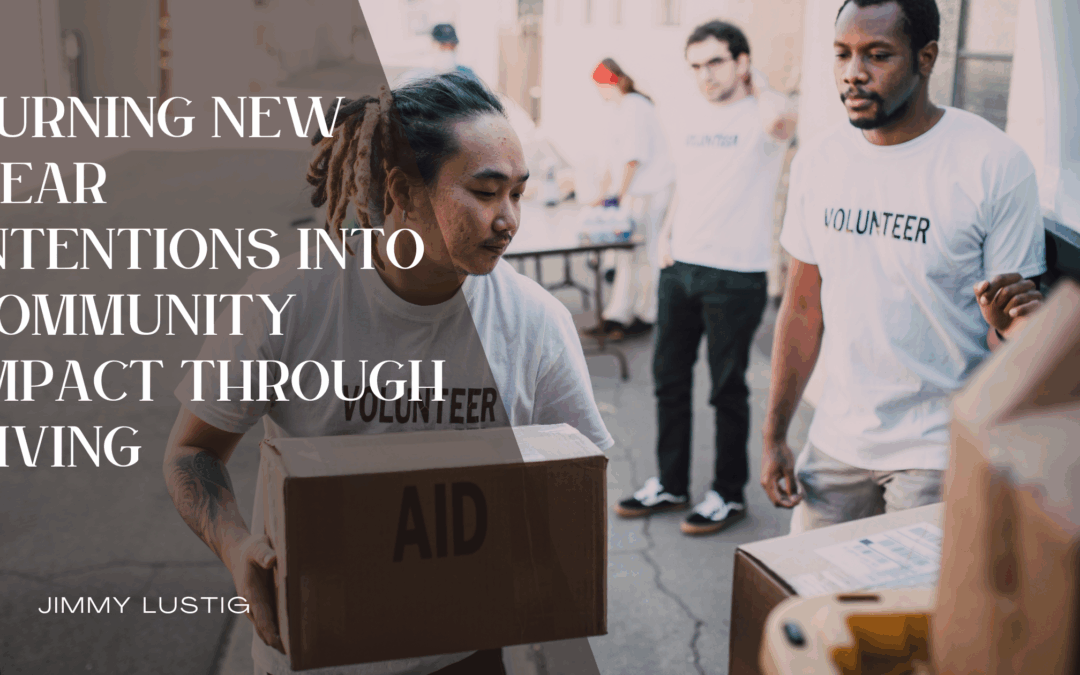
The start of a new year is a natural moment for reflection and renewal. Many people set intentions around personal growth, health, or professional advancement. Yet one of the most meaningful resolutions often receives less attention: giving back. When New Year intentions are intentionally connected to acts of generosity, they can move beyond self-improvement and become powerful drivers of community impact.
From Personal Goals to Collective Purpose
New Year intentions are typically inward-looking, focused on what individuals want to change or achieve. Shifting even a portion of that focus outward can significantly amplify their value. Intentions centered on giving—whether time, skills, resources, or advocacy—align personal purpose with collective well-being. This alignment creates a sense of shared progress, where individual actions contribute to broader social outcomes.
For example, a goal to develop leadership skills can translate into mentoring youth. An intention to improve health may include volunteering with community wellness initiatives. When personal development and community service intersect, both are strengthened.
Why Giving Creates Lasting Impact
Giving is most impactful when it is thoughtful and sustained. Rather than one-time gestures, consistent acts of generosity build trust, stability, and momentum within communities. Organizations depend not only on funding, but also on reliable engagement from individuals who understand their mission and challenges.
Time-based giving, skill-sharing, and community involvement provide value that financial contributions alone cannot. These forms of support foster relationships, encourage collaboration, and help address root causes rather than symptoms of community issues.
Making Intentions Actionable
One of the biggest challenges with New Year intentions is follow-through. Translating generosity into action requires clarity and structure. Setting specific, achievable goals is key. Instead of a broad intention like “give back more,” consider committing to a measurable action, such as volunteering two hours a month, serving on a local nonprofit committee, or providing pro bono expertise in your field.
Accountability also matters. Aligning giving goals with a calendar, partnering with friends or colleagues, or joining established programs increases consistency and reduces the likelihood that good intentions fade over time.
The Role of Skills-Based and Local Giving
Modern philanthropy is increasingly focused on impact rather than scale. Skills-based giving allows individuals to contribute expertise in areas such as finance, marketing, education, or technology, often creating outsized benefits for organizations with limited resources. This approach ensures that giving is both efficient and deeply aligned with personal strengths.
Local giving further amplifies impact. Supporting initiatives within one’s own community enables donors and volunteers to see tangible results, strengthening motivation and long-term engagement. Local involvement also encourages collaboration across neighborhoods, businesses, and civic groups.
Mutual Benefits of Giving Back
Community-focused giving does not only benefit recipients. Individuals who engage in regular acts of generosity often report greater fulfillment, reduced stress, and a stronger sense of belonging. Giving provides perspective, grounding personal ambitions within a larger context of shared progress.
From a professional standpoint, community involvement enhances leadership skills, empathy, and decision-making abilities—qualities increasingly valued in modern workplaces.
Starting the Year with Intention and Impact
Turning New Year intentions into community impact does not require grand gestures. It begins with awareness, commitment, and consistency. By integrating giving into personal goals, individuals can transform resolutions into meaningful contributions that extend well beyond the calendar year.
As the year unfolds, intentions anchored in generosity have the power to strengthen communities, inspire collaboration, and create lasting change—proving that personal growth and collective impact are not separate pursuits, but deeply connected ones.