
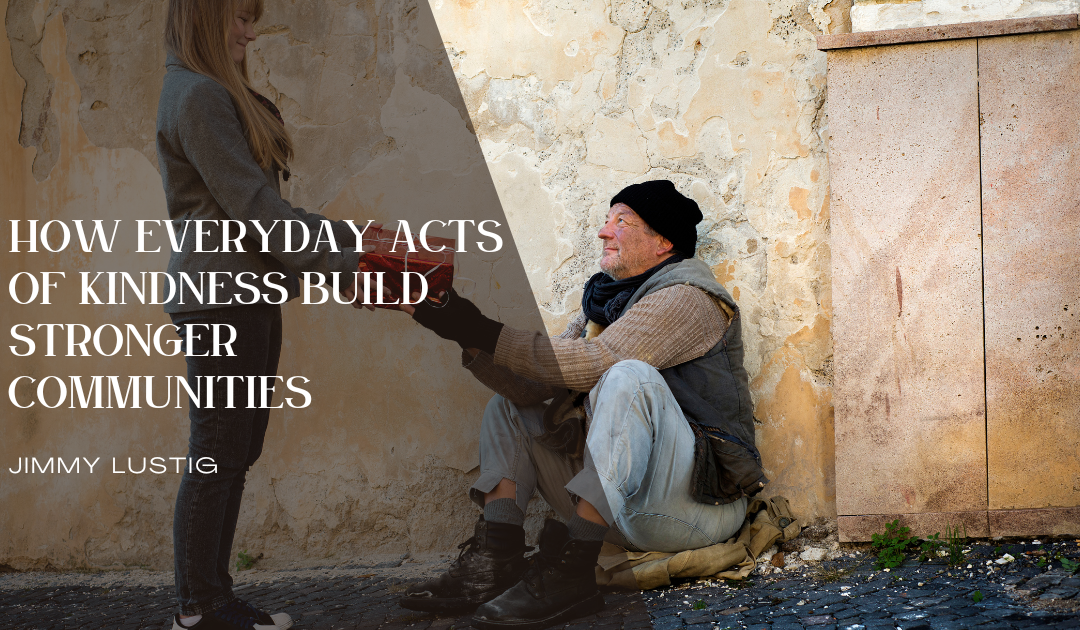
Strong communities are not built only through large initiatives or major charitable donations. In many cases, the foundation of a thriving community is formed through small, everyday acts of kindness. These simple actions—helping a neighbor, volunteering time, or offering support to someone in need—may seem minor individually, but collectively they create powerful social bonds that strengthen communities.
Kindness has a ripple effect. When people show care and compassion in their daily interactions, it fosters trust, encourages cooperation, and inspires others to do the same. Over time, these everyday actions create a culture where people feel connected, valued, and willing to contribute to the well-being of others.
The Power of Small Actions
Many people believe that meaningful change requires large-scale efforts or significant resources. While those initiatives certainly have their place, everyday kindness proves that even small actions can make a difference.
Something as simple as checking in on a neighbor, helping someone carry groceries, or supporting a local business can have a positive impact. These small gestures remind people that they are part of a supportive network where individuals look out for one another.
When kindness becomes part of daily life, communities naturally become more welcoming and inclusive. People begin to feel that they belong, which strengthens the social fabric that holds communities together.
Building Trust Within the Community
Trust is one of the most important elements of a strong community. When people trust one another, they are more likely to collaborate, share resources, and support community initiatives.
Acts of kindness help build this trust by creating positive interactions between individuals. When someone experiences generosity or compassion, it reinforces the belief that others in the community care about their well-being.
Over time, these positive experiences accumulate and strengthen relationships. A community where people trust one another becomes more resilient and better equipped to face challenges together.
Encouraging a Culture of Helping
Kindness has a unique ability to inspire more kindness. When individuals witness acts of generosity, they are often motivated to contribute in their own way.
For example, someone who receives help during a difficult moment may later choose to support someone else facing a similar situation. This cycle of giving creates a culture where helping others becomes a shared value rather than an occasional gesture.
Communities that embrace this culture of kindness often see higher levels of volunteerism, stronger neighbor relationships, and greater participation in local initiatives.
Strengthening Social Connections
Modern life can sometimes make people feel disconnected from those around them. Busy schedules, digital communication, and urban lifestyles may limit opportunities for meaningful interaction.
Everyday acts of kindness help bridge these gaps by encouraging people to engage with those in their community. A friendly conversation, a helping hand, or a simple expression of gratitude can create meaningful connections.
These connections are important because they reduce feelings of isolation and create a sense of belonging. When individuals feel connected to their community, they are more likely to participate in activities that contribute to its growth and well-being.
Supporting Local Well-Being
Kindness also plays an important role in improving overall community well-being. When people actively support one another, it creates an environment where individuals feel safe, valued, and supported.
For example, community members who volunteer their time to local initiatives—such as neighborhood cleanups, mentoring programs, or food drives—help address important social needs. Even small contributions can make a meaningful difference in improving the quality of life for others.
Additionally, acts of kindness often extend to supporting local businesses, schools, and organizations. This support helps strengthen the local economy and ensures that essential community resources remain available.
Creating a Ripple Effect of Positive Change
One of the most powerful aspects of kindness is its ripple effect. A single positive action can influence many others, spreading far beyond the original interaction.
For instance, when someone receives help during a difficult time, they may feel inspired to extend that same kindness to someone else. Over time, these interactions multiply, creating a chain reaction that spreads positivity throughout the community.
This ripple effect demonstrates that individuals do not need to take on large responsibilities to create meaningful change. Consistent small actions can collectively produce significant impact.
How Individuals Can Make a Difference
Building stronger communities through kindness does not require special skills or resources. Anyone can contribute through simple, thoughtful actions.
Some examples include:
-
Offering assistance to neighbors who may need support
-
Volunteering time with local organizations or community programs
-
Supporting small businesses and local initiatives
-
Expressing appreciation to people who contribute to the community
-
Creating opportunities for neighbors and community members to connect
When these actions become part of everyday behavior, they help create an environment where kindness and cooperation are the norm.
The Long-Term Impact of Kindness
Over time, communities that prioritize kindness develop stronger relationships, greater trust, and higher levels of engagement among their members. These qualities make communities more resilient and better prepared to handle challenges.
Whether facing economic changes, natural disasters, or social difficulties, communities built on compassion and cooperation are better able to support one another and find solutions together.
Kindness also helps create a positive legacy for future generations. When young people grow up in environments where generosity and empathy are valued, they are more likely to carry those values forward.
Final Thoughts
Everyday acts of kindness may seem small in the moment, but their collective impact can be transformative. Each gesture contributes to a culture where people care about one another and work together to create a better environment for everyone.
Strong communities are built through connection, trust, and shared responsibility. By practicing kindness in our daily lives, we help strengthen these foundations and create spaces where individuals feel supported and valued.
Ultimately, building stronger communities does not require extraordinary efforts. It begins with simple choices to help, support, and uplift the people around us—one act of kindness at a time.