
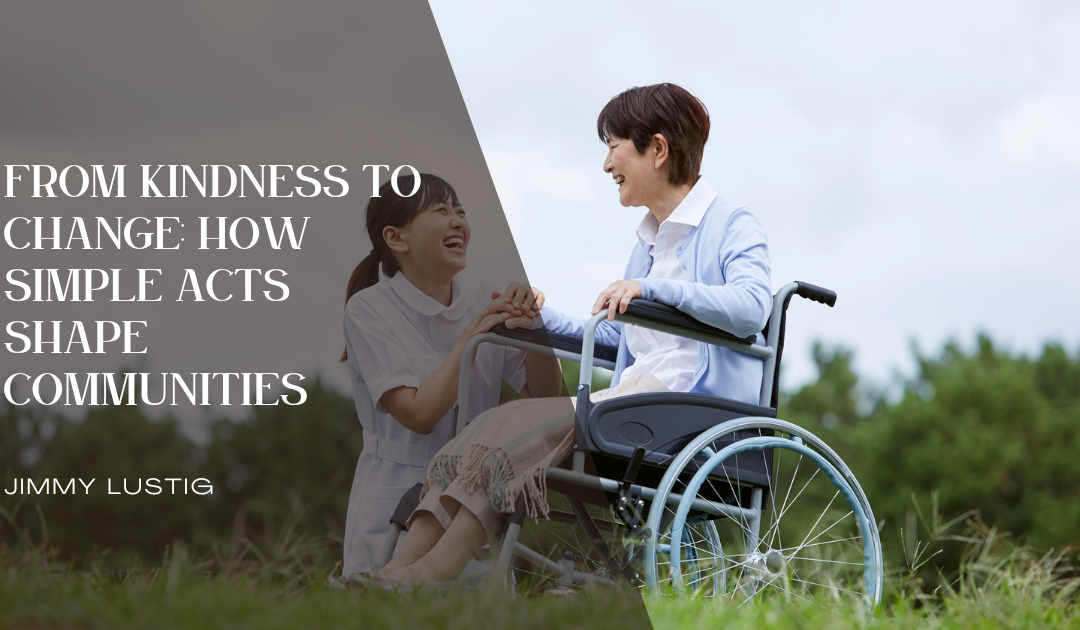
It’s easy to underestimate the power of small actions. Holding a door, checking in on a neighbor, offering help without being asked—these gestures can seem insignificant in the face of larger social challenges. But communities aren’t built by grand gestures alone. They are shaped, day by day, by the accumulation of small, consistent acts of kindness.
What begins as a simple interaction can ripple outward, influencing attitudes, behaviors, and ultimately, the culture of a community.
The Ripple Effect of Everyday Kindness
Kindness rarely stops with the person who receives it. More often, it inspires a chain reaction. When someone experiences generosity or empathy, they are more likely to extend it to others. This creates a ripple effect—one act leading to another, gradually strengthening the social fabric.
These ripples may not always be visible, but they are powerful. Over time, they foster an environment where people feel valued and supported. In such environments, trust grows naturally, and cooperation becomes easier.
Communities thrive when kindness becomes the norm rather than the exception.
Building Trust Through Small Interactions
Trust is the foundation of any strong community, yet it doesn’t emerge overnight. It is built through repeated, positive interactions—many of which are small and seemingly ordinary.
A friendly conversation, a moment of patience, or a willingness to listen can all contribute to a sense of belonging. These interactions signal that people care about one another, even in subtle ways.
When trust is present, communities become more resilient. People are more likely to collaborate, share resources, and support each other during difficult times. What starts as kindness evolves into a network of mutual support.
From Individual Action to Collective Culture
While individual acts of kindness are important, their true impact is felt when they influence collective behavior. When enough people adopt a mindset of generosity and empathy, it begins to shape the culture of the entire community.
This cultural shift changes expectations. Helping others becomes standard practice rather than an exception. People feel more comfortable asking for help and more motivated to offer it.
Over time, this creates a positive feedback loop: kindness encourages connection, connection strengthens community, and a strong community encourages even more kindness.
Kindness as a Catalyst for Change
It’s tempting to think that meaningful change requires large-scale initiatives or significant resources. While those have their place, they are often supported—and sustained—by everyday actions.
Simple acts can address immediate needs while also building momentum for larger efforts. For example, neighbors who regularly help each other may eventually organize community projects. A group of individuals who share resources informally might create more structured support systems.
In this way, kindness becomes a catalyst. It doesn’t just solve small problems; it lays the groundwork for broader change.
Reducing Barriers to Participation
One of the most powerful aspects of kindness is its accessibility. Anyone can participate, regardless of their background, resources, or expertise.
You don’t need a formal role or large platform to make a difference. A small gesture, offered consistently, can have a meaningful impact. This inclusivity allows more people to contribute, creating a wider base of engagement.
When participation is easy and approachable, communities become more active and connected. People feel empowered to act, knowing that their efforts matter.
Sustaining Impact Through Consistency
While one act of kindness can make a difference, lasting change comes from consistency. Repeated actions reinforce positive behaviors and help establish new norms.
Consistency doesn’t require large commitments. It’s about integrating kindness into daily life—being intentional in how we interact with others, even in brief moments.
Over time, these repeated actions accumulate. They strengthen relationships, build trust, and create a sense of stability within the community.
The Role of Awareness and Intention
Kindness is most impactful when it is intentional. Being aware of the needs around us allows us to respond more effectively.
This might mean noticing when someone needs support, recognizing opportunities to help, or simply being present in conversations. Intentional kindness is thoughtful and responsive, rather than automatic or superficial.
By paying attention, individuals can ensure that their actions are meaningful and aligned with real needs.
Looking Ahead
As communities face increasing complexity—social, economic, and environmental—the importance of connection cannot be overstated. Large-scale solutions are essential, but they are often strengthened by grassroots efforts rooted in everyday interactions.
Kindness bridges gaps, builds understanding, and creates a sense of shared responsibility. It reminds people that they are part of something larger than themselves.
Final Thoughts
From kindness to change is not a leap—it’s a progression. Small acts, repeated over time, shape attitudes, relationships, and ultimately, entire communities.
While no single gesture can transform a community overnight, each one contributes to a larger story. And when enough people choose kindness, that story becomes one of connection, resilience, and lasting change.