When people think about improving a community, financial resources are often the first thing that comes to mind. Better roads, educational facilities, healthcare services, public spaces, and development projects all require investment. While funding certainly plays an...
 When communities face difficult challenges, funding is often viewed as the starting point for change. Money can build schools, support programs, provide equipment, train people, and create opportunities that might otherwise remain out of reach. But funding alone...
 Community impact is often measured by what is delivered: the number of people reached, programs completed, resources distributed, or events organized. These numbers are useful, but they do not always reveal whether meaningful change has actually taken place. A...
 Young people are often described as the future of a community. But they are not only future leaders, volunteers, or problem-solvers. They can contribute to their communities right now. When young minds are encouraged to see themselves as community builders, they begin...
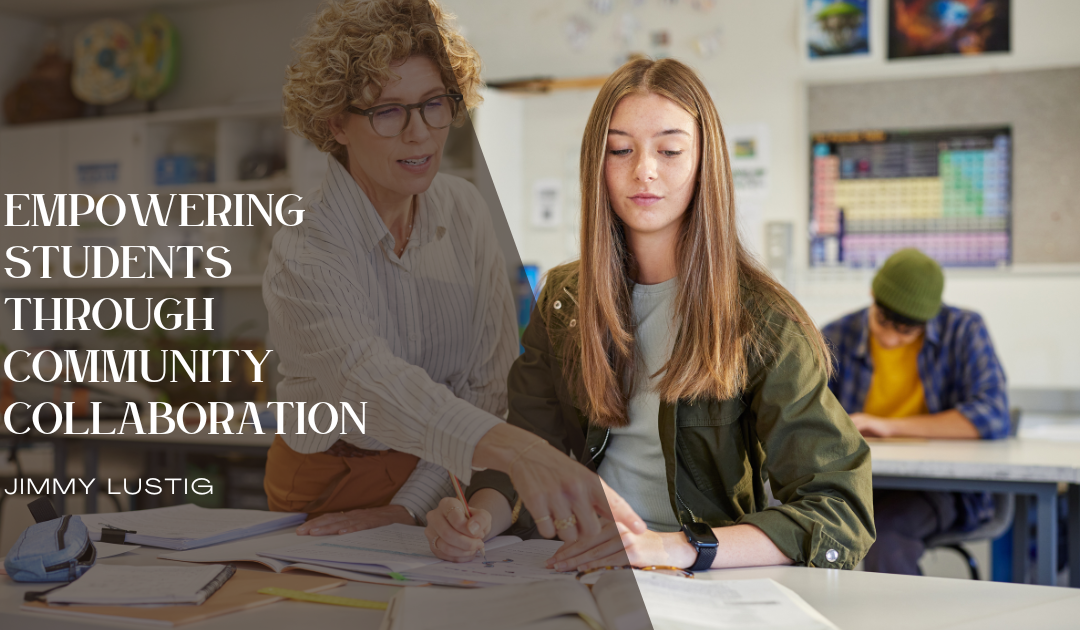 Education is most effective when it extends beyond the classroom. While teachers play a vital role in shaping young minds, students benefit even more when families, local organizations, businesses, and community members work together to support their learning....
 Supporting your community doesn’t have to be limited to holidays, fundraising events, or special occasions. Meaningful community involvement is built through consistent, everyday actions that strengthen local relationships and improve the quality of life for...