
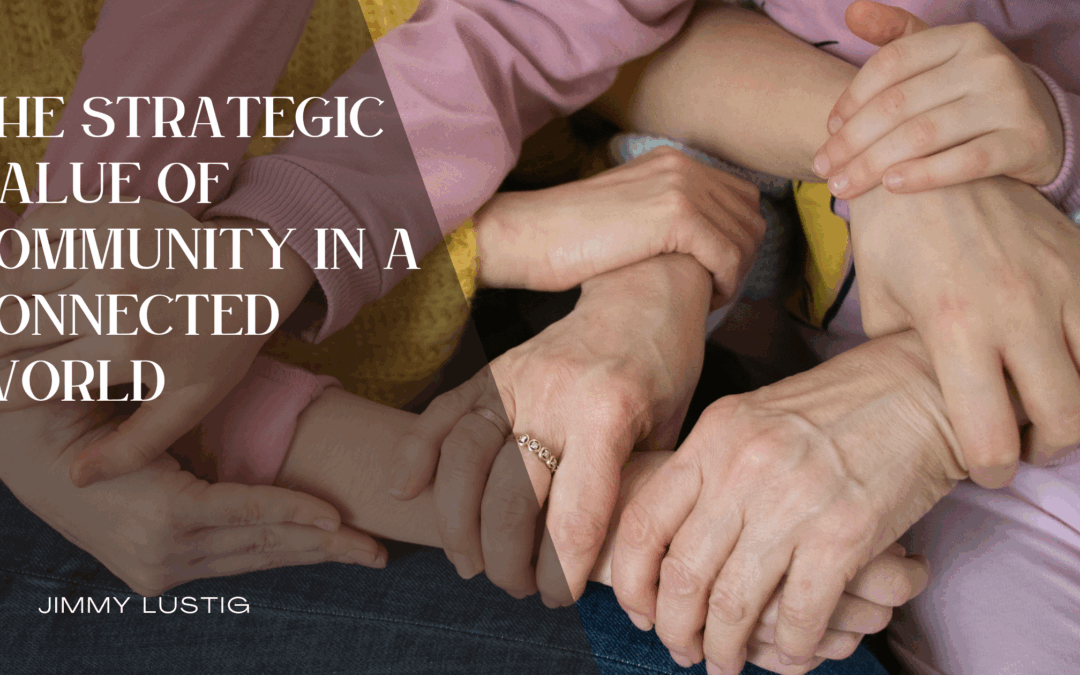
Community is no longer defined by proximity alone. It is shaped by shared interests, values, and goals that transcend geography. In today’s interconnected environment, community has evolved into a strategic force that influences how people collaborate, learn, and create lasting impact.
At its foundation, community establishes trust. Trust reduces friction, accelerates decision-making, and enables cooperation at scale. When individuals feel confident in the intentions and reliability of others, engagement deepens naturally. This trust is not accidental; it is built through consistent interaction, transparency, and shared norms that guide behavior over time.
Modern communities also function as platforms for collective intelligence. Knowledge is no longer centralized. Instead, it emerges from dialogue, experience, and diverse perspectives. Communities that encourage open exchange enable faster learning and better problem-solving. They surface insights that formal structures often miss and translate individual expertise into shared capability.
From an organizational standpoint, community shifts relationships from transactional to participatory. Customers become contributors. Employees become ambassadors. Partners become co-creators. This transformation strengthens loyalty not through incentives alone, but through meaning and involvement. People remain engaged when they believe their participation matters.
Sustaining a community requires intentional design. Clear purpose anchors participation and helps members understand why the community exists. Governance structures, whether formal or informal, provide stability without stifling creativity. Equally important is cadence. Regular touchpoints maintain momentum and signal commitment, preventing communities from becoming dormant or fragmented.
Leadership within a community is defined less by authority and more by influence. Effective leaders model desired behaviors, encourage inclusion, and create psychological safety. By enabling others to contribute and lead, they ensure that the community remains adaptive rather than dependent on a single voice.
Beyond organizations, community plays a vital role in social resilience. It strengthens support systems, reduces isolation, and reinforces shared responsibility. In moments of uncertainty or change, communities offer both practical resources and emotional grounding. They help individuals navigate complexity with confidence.
Ultimately, community is a long-term investment. Its value compounds through relationships, shared history, and collective achievement. Those who prioritize community-building position themselves not just to grow, but to endure. In a world shaped by constant change, community remains one of the most reliable foundations for sustainable progress.